How is teriyaki sauce produced efficiently and consistently in commercial and industrial food production?
In this working video, we demonstrate a planetary cooking mixer processing teriyaki sauce, showing the actual cooking and mixing process from ingredients to the finished sauce.
For sauce manufacturers, restaurants, central kitchens and food factories, producing a consistent sauce at larger batch sizes can be challenging. The ingredients need to be heated evenly while being continuously mixed to prevent sticking, uneven cooking and inconsistent texture.
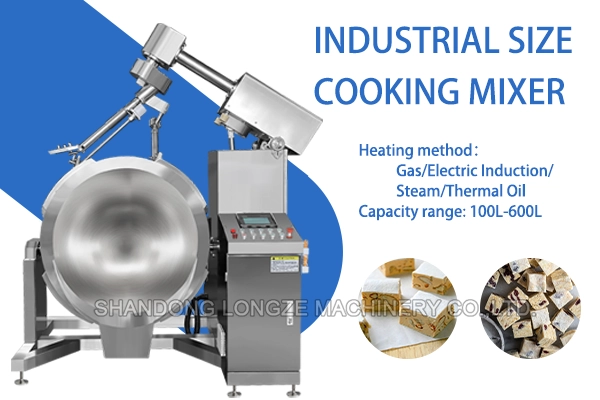
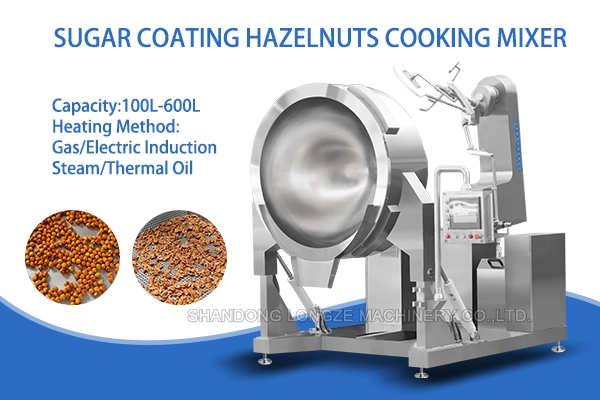
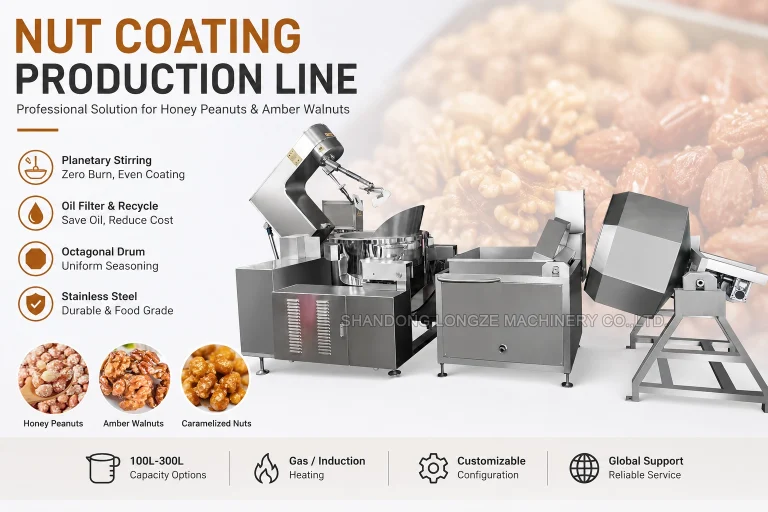
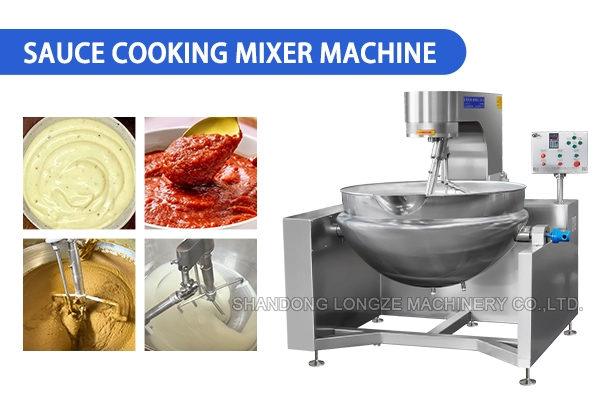
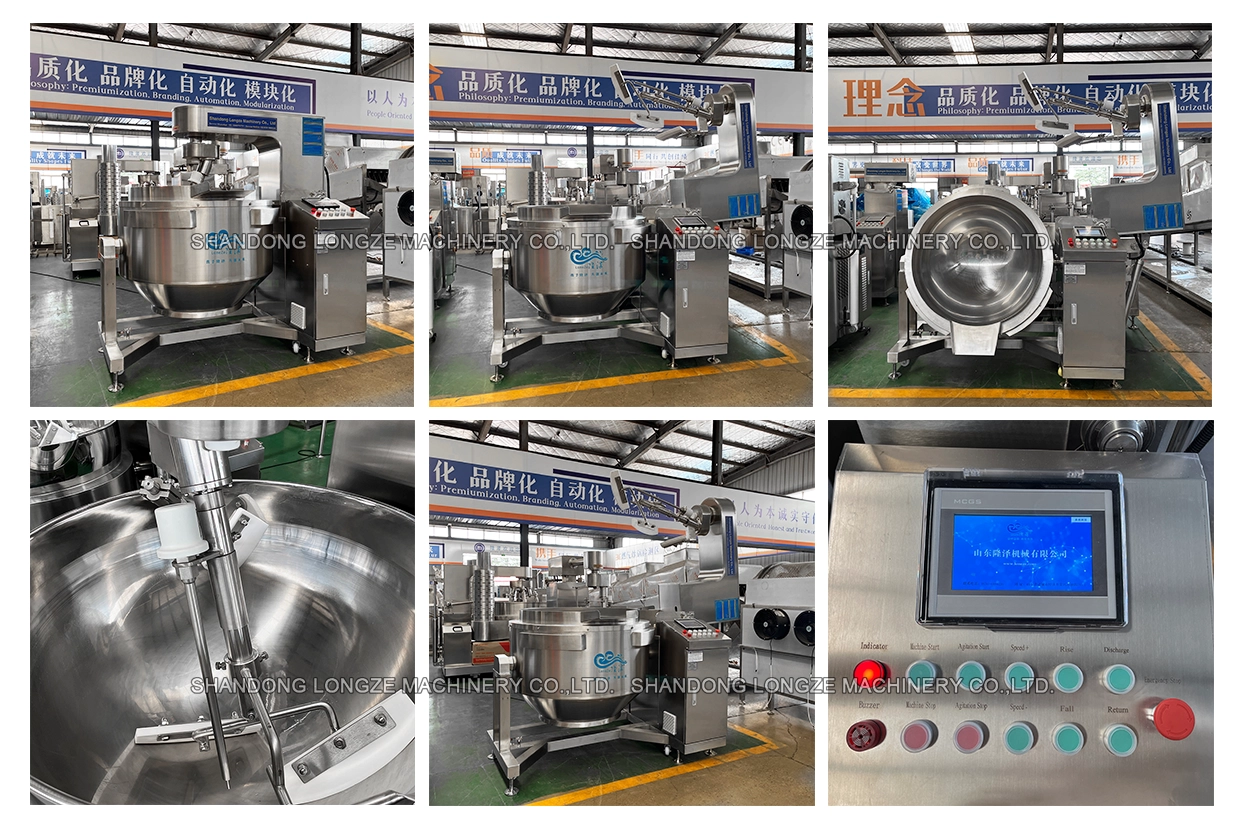
A planetary cooking mixer combines heating and planetary stirring in one machine, making it suitable for producing teriyaki sauce, curry sauce, chili sauce, tomato sauce, seasoning sauce, marinades, pastes and other food products.
How Is Teriyaki Sauce Cooked in an Industrial Mixer?
Teriyaki sauce is typically produced by combining ingredients such as soy sauce, sugar or other sweeteners, seasonings and other recipe-specific ingredients.
During industrial production, simply heating the ingredients is not enough. The sauce needs to be continuously moved and mixed throughout the cooking process.
The general process can include:
Ingredient Loading → Heating → Planetary Mixing → Sauce Cooking → Final Mixing → Discharge
The exact recipe, temperature, cooking time and ingredient sequence depend on the manufacturer’s formulation.
The planetary cooking mixer is designed to combine the heating and mixing stages in one processing vessel, helping food manufacturers simplify batch production.
Why Use a Planetary Cooking Mixer for Teriyaki Sauce?
1. Heating and Mixing in One Machine
A planetary cooking mixer combines cooking and mechanical mixing.
Instead of manually stirring a large cooking vessel, the planetary mixing system continuously moves the sauce during heating.
This is particularly useful for sauces that become thicker as cooking progresses.
For commercial sauce production, combining these functions can help simplify the production workflow and reduce manual intervention.
2. Planetary Stirring for More Uniform Mixing
The planetary mixing system uses a combined rotational movement.
The agitators rotate while moving around the cooking vessel, helping the mixing blades reach different areas of the vessel.
This movement is suitable for applications where ingredients need to be distributed throughout the sauce during cooking.
For products such as teriyaki sauce, curry sauce, paste sauces and fillings, consistent mixing is important for achieving a uniform final product.
3. Scrapers Help Reduce Material Residue
The mixing system can be equipped with scrapers that closely follow the bottom and walls of the cooking vessel.
During operation, the scrapers continuously move product away from the heated surfaces.
This helps:
*Reduce material buildup
*Improve product movement
*Support more uniform heating
*Reduce residue on the cooking vessel
*Improve batch consistency
4. Suitable for Different Sauce Viscosities
Teriyaki sauce can become thicker during cooking as water evaporates and the ingredients concentrate.
An industrial planetary cooking mixer can be configured for different food materials and processing requirements.
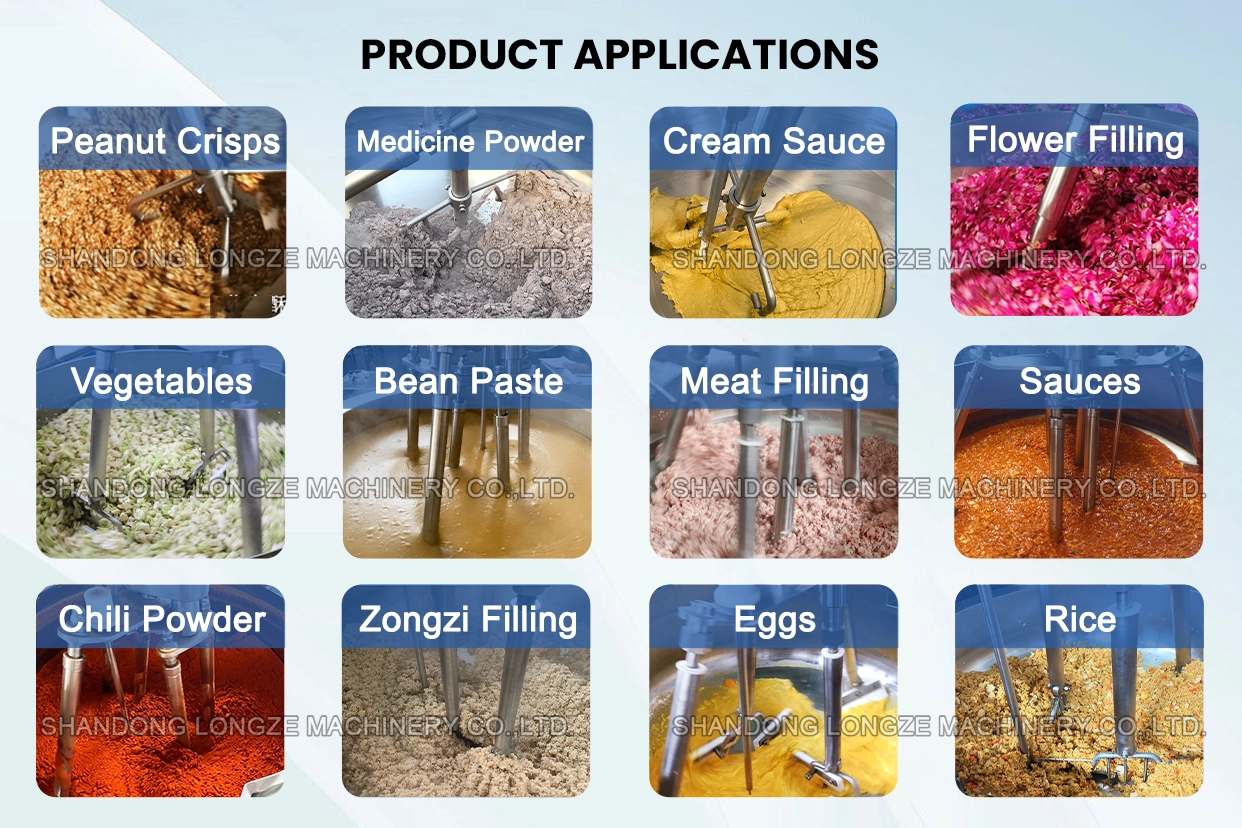
Potential applications include:
*Teriyaki sauce
*Curry sauce
*Chili sauce
*Tomato sauce
*BBQ sauce
*Seasoning sauce
*Marinades
*Bean paste
*Fruit fillings
*Jam
*Caramel
*Confectionery fillings
The appropriate machine configuration depends on the actual viscosity, recipe, batch size and heating requirements.
Heating Options for Industrial Sauce Cooking
Different factories have different energy systems, so planetary cooking mixers can be configured with different heating methods.
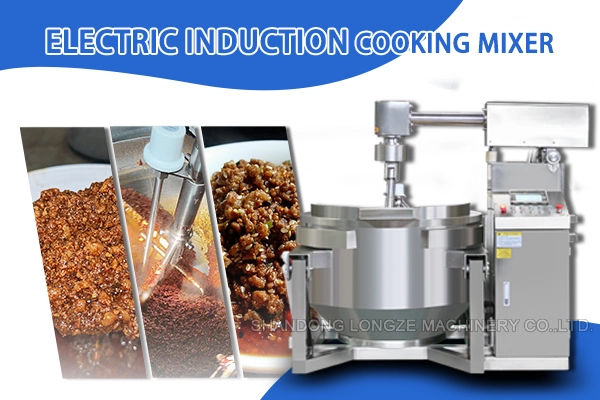
1.Electric Induction Heating
Electric induction heating is suitable for food manufacturers looking for an electric heating solution with adjustable heating power.
Longze’s induction-heated planetary cooking mixer can provide 8 levels of heating power adjustment, allowing operators to adjust the heating intensity according to different stages of the cooking process.
This makes induction heating particularly interesting for sauce applications where controlled heating is important.
2.Gas Heating
Gas heating can be used where LPG or natural gas is readily available.
It is a practical option for food factories that already have gas infrastructure.
Longze planetary cooking mixers can be configured with gas heating according to the customer’s fuel conditions and processing requirements.
3.Steam Heating
Steam heating can be selected by factories that already have a central steam boiler.
It provides indirect heating and can be suitable for sauce, paste and other food-processing applications requiring controlled heating.
4.Thermal Oil Heating
Thermal oil heating is another indirect heating option for industrial food processing.
It can be considered for applications requiring stable and controlled heat transfer.
The appropriate heating method should be selected according to the product, required temperature, heating rate and available factory utilities.
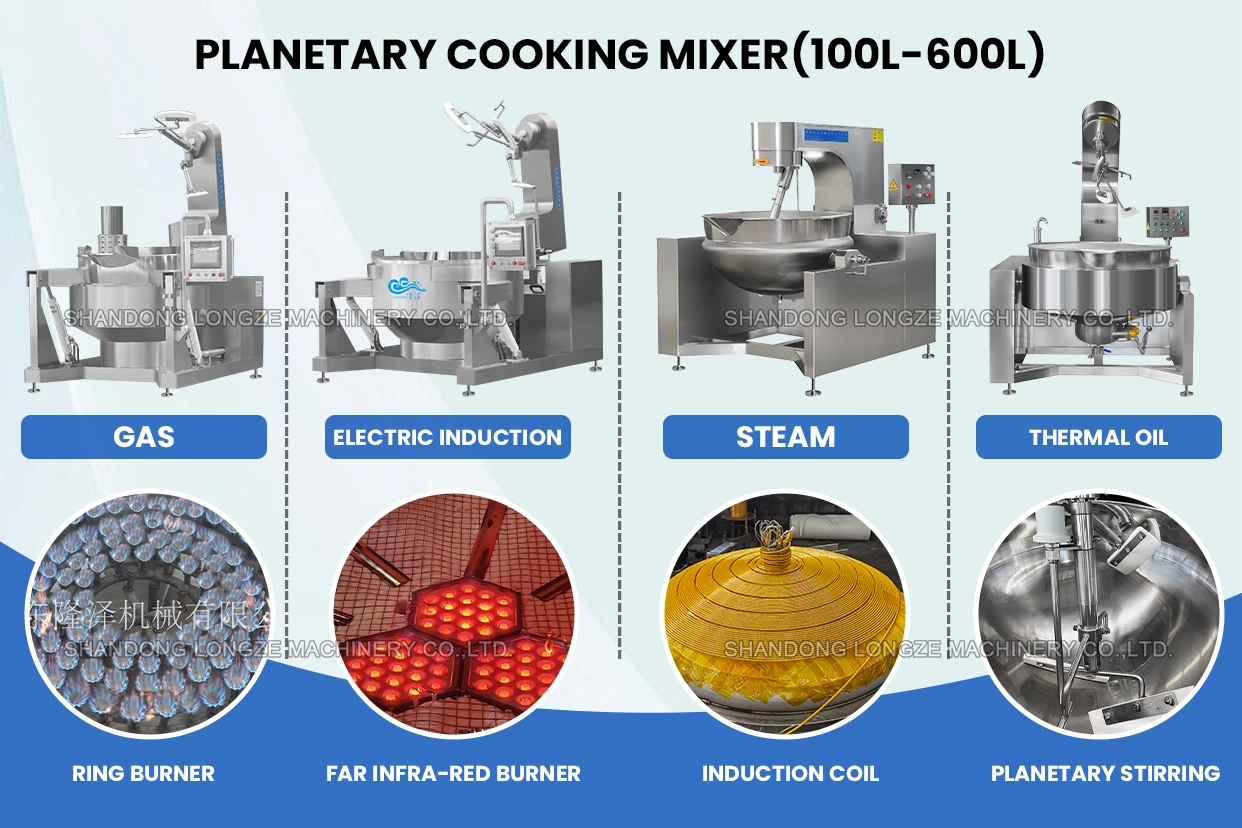
100L–600L Planetary Cooking Mixer
Longze’s planetary cooking mixer is available in different capacities for commercial and industrial food production.
Typical models range from 100L to 600L, while the appropriate working load depends on the product characteristics and recipe.
For example, the amount of raw material that can be processed in a 600L machine should not simply be calculated as 600L of product.
High-viscosity products require sufficient working space for proper mixing, and the actual batch weight depends on product density, viscosity and formulation.
Therefore, when selecting a planetary cooking mixer, food manufacturers should consider:
*Product type
*Batch weight
*Required production capacity
*Product viscosity
*Heating method
*Cooking temperature
*Mixing speed
*Discharge method
*Factory power supply
Providing these details to the machinery manufacturer can help ensure that the selected equipment matches the actual production requirements.
Planetary Cooking Mixer for Commercial Sauce Production
A planetary cooking mixer can be useful for different production environments.
Food Factories
Food manufacturers can use industrial cooking mixers for continuous batch production of sauces, pastes, fillings and other prepared foods.
Central Kitchens
Central kitchens can use larger-capacity cooking mixers to prepare standardized sauces and food bases for multiple restaurants or locations.
Restaurants and Catering Businesses
Commercial-size cooking mixers can help reduce manual stirring when producing large quantities of sauces, fillings and other cooked food products.
Sauce Manufacturers
For companies specializing in sauce manufacturing, the mixer can become an important part of the cooking and mixing stage before filling and packaging.
What Should You Tell the Machine Manufacturer?
If you are looking for a teriyaki sauce cooking machine or industrial sauce mixer, the machine should be selected according to your actual production requirements.
Before requesting a quotation, prepare the following information:
1. Product: What sauce or food product do you want to produce?
2. Batch size: How many kilograms do you need to process per batch?
3. Production capacity: How many kilograms or tons do you need to produce per day?
4. Viscosity: Is the final product liquid, semi-viscous or highly viscous?
5. Heating method: Do you prefer electric induction, gas, steam or thermal oil?
6. Factory power supply: What voltage and frequency are available?
7. Discharge requirements: Do you need manual or automatic discharge?
With this information, the manufacturer can recommend a suitable planetary cooking mixer configuration rather than simply quoting a standard machine.