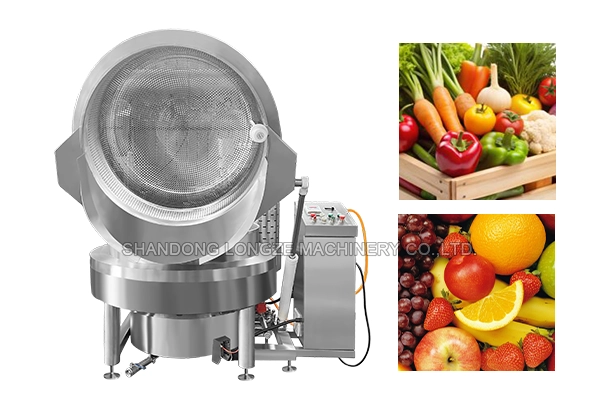
What Is an Industrial Blanching Pot?
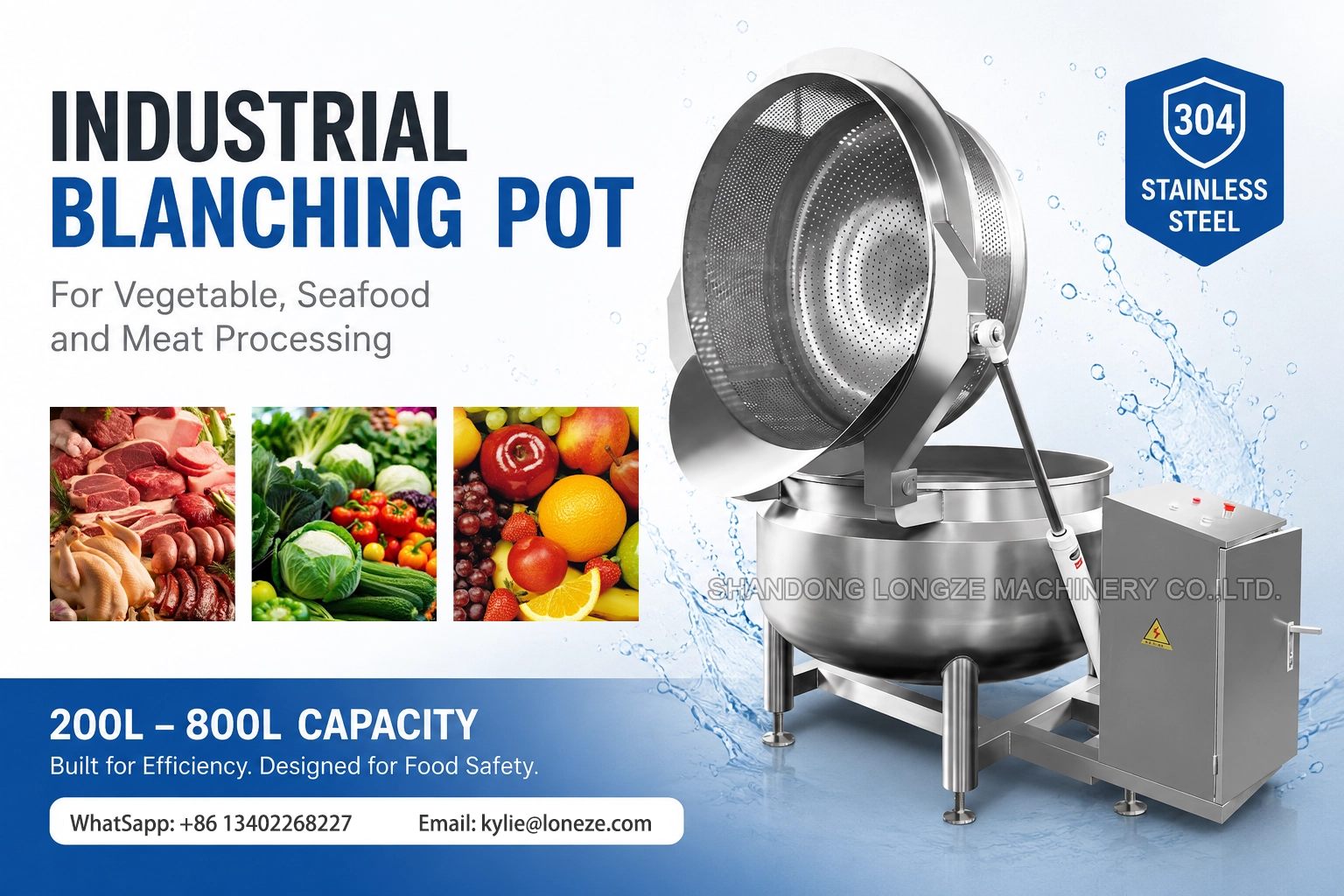
An industrial blanching pot — also called a blanching kettle, blanching tank or blanching machine — is a large stainless steel vessel used to briefly heat food products in hot water, typically between 80°C and 100°C, before further processing.
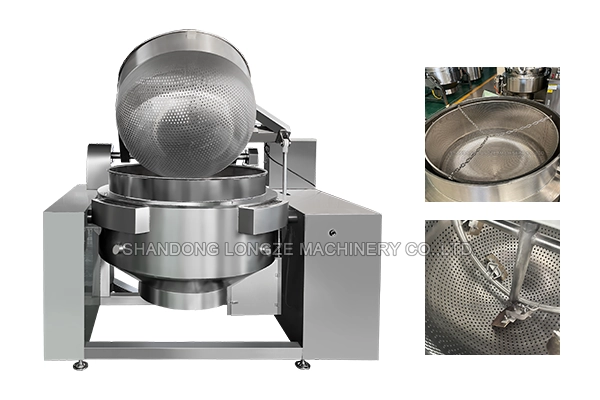
Blanching is not full cooking. It is a short, controlled heat treatment that prepares the product for the next step in your line — freezing, drying, peeling, canning or final cooking. The pot holds a large batch of product in a perforated basket, immerses it in heated water for a precise time, then lifts and tilts the basket to drain, so the operator can quickly move the product to the next station with minimal handling and no cold spots.
Why Blanching Matters in Food Processing
If you process vegetables, seafood or meat in any volume, blanching is not optional — it is the quality gate between raw material and finished product. Here is what a properly designed blanching step delivers:
·Inactivates enzymes. Enzymes in fresh produce continue to act even after harvest, causing browning, off-flavors and texture breakdown. A short blanch inactivates them so frozen or dried products keep their quality through long storage.
·Preserves color and flavor. Heat fixes the natural color of green vegetables (think broccoli and green beans) and stabilizes flavor compounds, so the product that reaches the consumer looks and tastes the way it should.
·Removes surface dirt and microorganisms. The hot water rinse loosens soil, bacteria and pesticide residues from the product surface — a critical step before freezing or canning.
·Softens and wilts the product. Blanched vegetables are easier to peel, cut or pack; blanched meat and offal are easier to clean and deodorize.
Improves peeling and shelling. Thermal shock loosens skins on tomatoes, potatoes and root vegetables, and loosens shells on shrimp and other seafood.
·Reduces downstream load. Blanching reduces the workload on freezers, dryers and final cookers, cutting total energy consumption across the line.
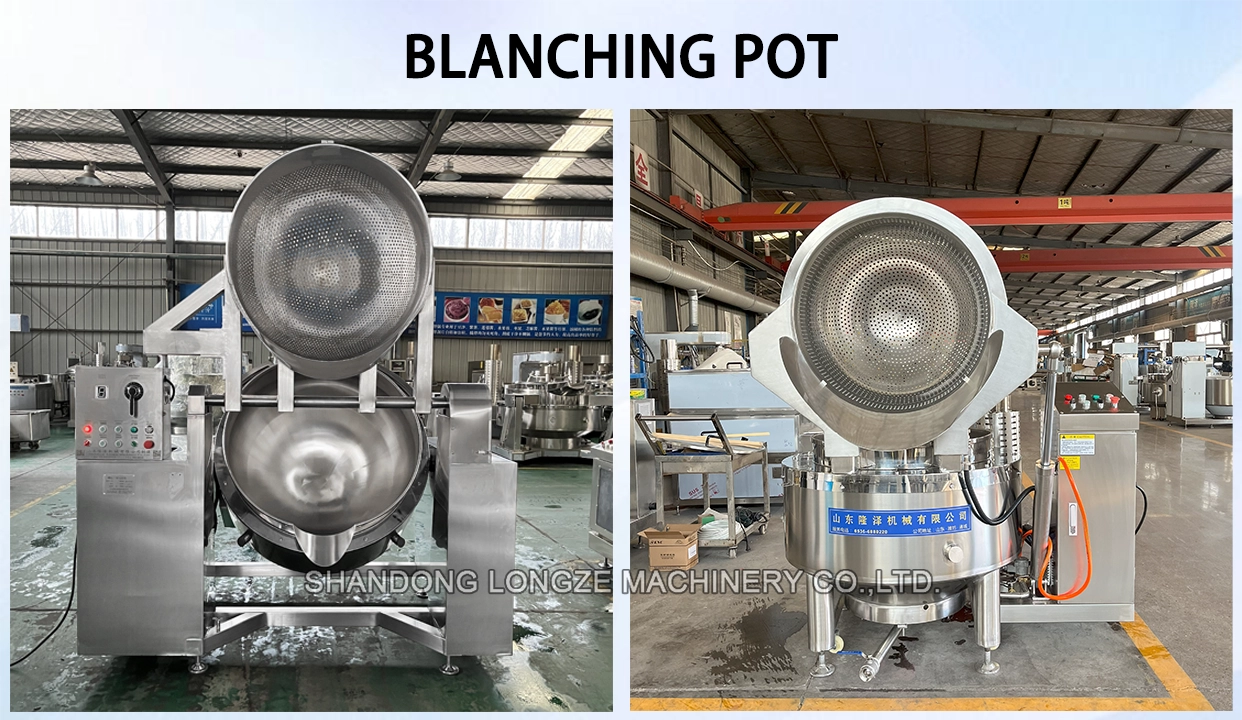
Product Overview: 200–800L Stainless Steel Blanching Pot
Our industrial blanching pot combines heavy-duty food processing construction with flexible operation:
| Parameters | Specifications |
| Capacity | 200L / 300L / 400L / 500L / 600L / 800L |
| Heating options | Gas · Electric induction · Steam · Thermal oil (gas-fired or electric) |
| Material | Food-grade 304 stainless steel, polished inner and outer surfaces |
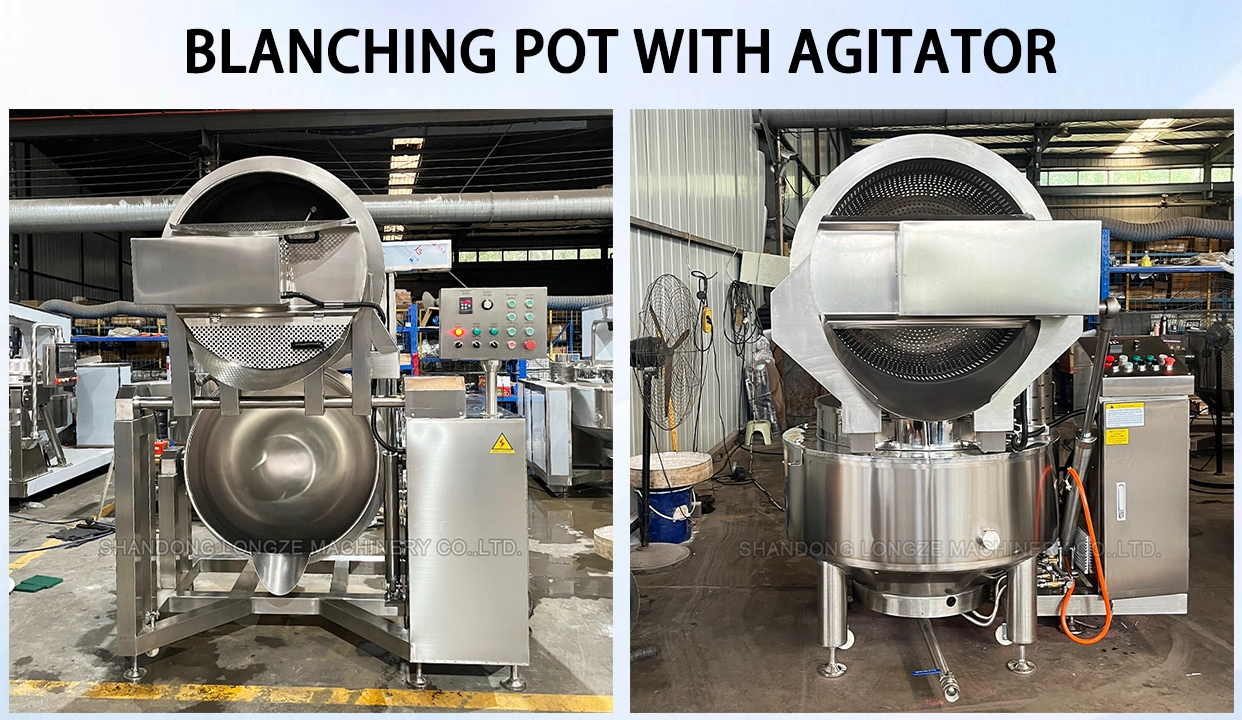
| Basket design | Perforated stainless steel basket with hydraulic tilting mechanism and pouring spout for fast draining |
| Temperature control | Adjustable heating control for precise blanching temperature |
| Frame | Heavy-duty stainless steel frame with adjustable leveling feet |
| Operation | Simple manual/semi-automatic operation, easy cleaning |
The machine is designed around one idea: get large batches in and out of hot water quickly, evenly and safely. The tilting basket is the heart of that design — load the product, lower the basket, blanch for the set time, lift and tilt to drain in seconds, then move to the next station.
Four Heating Options Explained
Different factories have different energy situations, and one heating system is not the best fit for everyone. That is why the blanching pot is offered in four versions. Here is how they compare.
1. Gas Heating (LPG / Natural Gas)
Gas heating burns LPG or natural gas directly beneath the kettle. It is the classic workhorse option.
·Fast heating with high heat output, ideal for high-throughput lines.
·Low running cost in regions where gas is cheaper than electricity.
·Simple, proven technology with easy maintenance.
·Best for: factories with an existing gas supply that process large daily volumes.
2. Electric Induction Heating
Electric induction heating generates heat directly in the kettle wall through an electromagnetic field, without any flame or heating element touching the water.
·Fast and even heating across the whole pot surface — no hot spots.
·Precise temperature control, ideal for products sensitive to temperature swings.
·Clean and safe: no combustion, no exhaust gas, no open flame.
·Best for: factories without gas access that prioritize control and workplace safety.
3. Steam Heating
Steam heating uses the factory’s existing boiler to deliver heat through the kettle’s steam jacket.
·Gentle, uniform heating that protects delicate products like fish fillets and leafy greens.
·Very economical when you already run a boiler for other process steps.
·No combustion equipment inside the blanching area.
·Best for: food plants with an existing steam utility system.
4. Thermal Oil Heating (Gas-Fired or Electric)
Thermal oil heating circulates heat-transfer oil through the kettle jacket, offering the most stable and uniform temperature profile of all four options. It is available in two drive versions:
·Gas-fired thermal oil heating — uses an integrated gas burner to heat the oil circuit; combines oil’s temperature stability with gas’s fuel economy.
·Electric thermal oil heating — uses electric heaters to heat the oil circuit; clean operation with the same uniform temperature control.
Thermal oil systems hold a precise, steady temperature across long production runs, which makes them the preferred choice for continuous or high-consistency processes.
Applications: Vegetables, Seafood and Meat
The 200–800L capacity range and four heating options make this blanching pot a genuine multi-product machine. Typical applications include:
Vegetable Processing
·Leafy greens (spinach, cabbage, kale): color fixation and enzyme inactivation before freezing or drying.
·Root vegetables (carrots, potatoes, radishes): pre-blanching to loosen skins for peeling, then pre-cooking before freezing.
·Broccoli, cauliflower, green beans, corn: bright color retention and enzyme deactivation ahead of IQF freezing.
·Tomatoes, peppers: hot-water scald for rapid peeling.
Seafood Processing
·Shrimp and prawns: cooking to turn the shell pink, and loosening shells for easy peeling.
·Crab, lobster and mussels: pre-cooking and shell-opening before further processing.
·Squid and octopus: scalding to fix color and set texture.
·Fish fillets: gentle steam or water blanching to firm the flesh before freezing.
Meat Processing
·Chicken, duck and pork pieces: pre-cooking and deodorizing before marinating, smoking or further cooking.
·Offal (tripe, liver, intestines): hot-water cleaning and deodorizing.
·Beef and mutton portions: surface cooking and blood/scum removal for cleaner downstream processing.
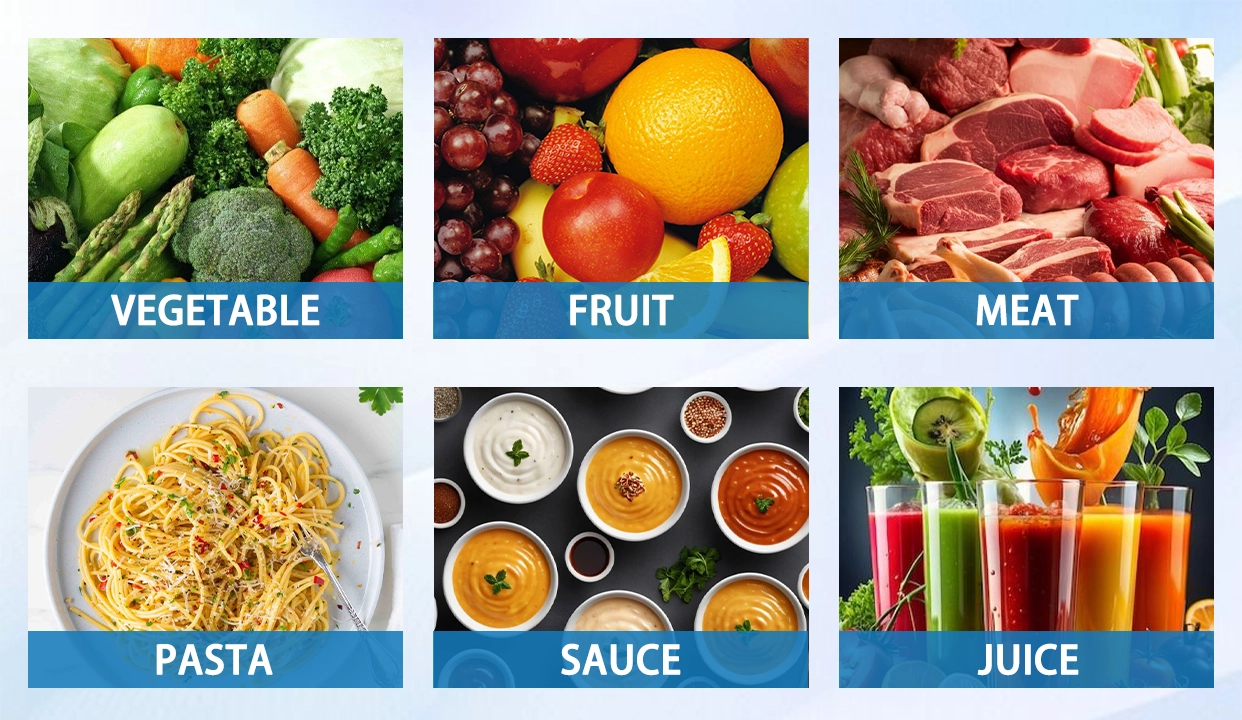
Because the pot handles liquids, semi-solids and basket-loaded solids, it also covers secondary uses such as cooking sauces, boiling bones for broth, and scalding nuts or beans.
Key Features and Benefits
·Food-grade 304 stainless steel — corrosion-resistant, hygienic and easy to sanitize; complies with the standards food factories already operate under.
·Tilting perforated basket — hydraulic-assisted lifting and tilting empties large batches in seconds, cutting labor and handling damage.
·Bottom drain design — clean, controlled draining with no product loss.
·Precise temperature control — match the water temperature to the product: 80–100°C for most blanching tasks.
·Four heating configurations — choose gas, induction, steam or thermal oil to match your energy supply.
·Heavy-duty adjustable frame — level the machine on any factory floor for stable, safe operation.
·Easy cleaning — smooth polished surfaces and accessible design shorten cleaning time between batches.
·Built-in safety — electrical protection and clear high-voltage warnings keep operators safe.
How to Choose the Right Blanching Pot
Buying a blanching pot is a long-term investment, so work through these five questions before ordering:
1.What capacity do you need? Match the pot to your hourly throughput. A 200L pot suits small-batch and pilot lines; 500–800L suits continuous production. Calculate: batch size × batches per hour ≥ your target output.
2.Which heating source fits your factory? Gas is economical where gas is cheap; induction and electric thermal oil suit factories without gas; steam is ideal when a boiler already exists. Running cost over 5 years often matters more than purchase price.
3.What products will you process? Delicate products (fish, leafy greens) benefit from gentle steam or uniform thermal oil heating; high-volume root vegetables and meat tolerate fast gas heating.
4.How much automation do you need? The hydraulic tilting basket handles loading, draining and unloading; confirm the operation mode matches your labor model.
5.What food-safety requirements apply? Verify food-grade material, smooth weld quality and cleanability against the standards of your target markets (e.g. CE, FDA or local food contact regulations).
FAQ
Q1:What capacity options are available for the industrial blanching pot?
A1:Standard capacities range from 200L to 800L, including 200L, 300L, 400L, 500L, 600L and 800L models. Custom sizes can be produced for special production lines.
Q2:Which heating method is the most economical?
A2:It depends on your local energy prices. Gas heating has the lowest running cost where LPG/natural gas is inexpensive; steam is most economical if your factory already operates a boiler; electric induction and electric thermal oil cost more per hour but offer the highest precision and cleanest operation.
Q3:Can the same pot process vegetables, seafood and meat?
A3:Yes. The 200–800L capacity and four heating options are designed for multi-product lines. You simply adjust the water temperature and blanching time for each product, and clean between product changes.
Q4:Is the blanching pot made of food-grade stainless steel?
A4:Yes. The kettle, basket and contact surfaces are manufactured from food-grade 304 stainless steel with polished finishes for hygiene and easy sanitation.
Q5:How does the tilting basket work?
A5:The perforated basket is mounted on a pivoting arm and lifted/tilted by a hydraulic mechanism. The operator loads the product, submerges the basket for the set blanching time, then lifts and tilts it to drain quickly before unloading.
Q6:Can the pot be customized for my production line?
A6:Yes. Capacity, heating configuration and control options can be adapted to your requirements. Contact the factory with your product type, batch size and energy supply for a tailored recommendation.